


Staying sober after rehab depends on four things working together: engaging continuing care, building a support network you actually use, learning to manage triggers before they become cravings, and, when appropriate, pairing therapy with physician-guided medication. Relapse rates for substance use disorders run between 40% and 60%, similar to other chronic illnesses like asthma or hypertension. That number isn’t a verdict on willpower. It’s a reason to leave rehab with a plan, not just good intentions.
TL;DR:
- Continuing care and structured follow-up within the first three months are crucial, as relapse risk is highest during this period due to environmental triggers and lack of routine.
- Managing emotional relapse involves recognizing signs like withdrawal or irritability, while mental relapse includes romanticizing substance use or testing limits, which can be addressed before physical relapse.
- Support networks should be personalized, with options like 12-step programs, secular groups, or peer coaches, emphasizing the importance of regular attendance and finding the right fit.
- Building daily habits such as routine wake times, scheduled recovery activities, and stress management techniques help maintain sobriety beyond meetings.
- Developing a relapse prevention plan with clear triggers, warning signs, coping steps, and emergency contacts enhances preparedness and early intervention for setbacks.
Table of Contents
- What Happens in the First 30 to 90 Days After Rehab?
- How Do You Manage Triggers and Cravings Without Relapsing?
- Who Should Be in Your Support Network After Rehab?
- What Daily Habits Actually Protect Sobriety?
- How Do You Build a Relapse Prevention Plan?
- Which Continuing Care Option Fits Your Situation?
- How Do You Manage Co-Occurring Mental Health Conditions in Recovery?
- What Financial and Employment Challenges Come After Rehab?
- A Few Tools Worth Keeping on Hand
- A Faith-Based Perspective on Staying Sober
- Continuing Care Options at Sozorecoverycenter
- Sources
- FAQ
What Happens in the First 30 to 90 Days After Rehab?
Discharge day feels like an accomplishment, and it is. But the structure that kept you sober inside treatment, the schedule, the accountability, the removal from triggers, disappears the moment you walk out the door. This is where most early relapses happen, not because treatment failed, but because the transition wasn’t planned with the same care as the treatment itself.
The first three months after residential care carry the highest relapse risk of the entire recovery timeline. Old environments, unstructured time, and the sudden absence of daily check-ins create exposure to the same people, places, and emotional patterns that fed the addiction in the first place. Continuing care that includes scheduled monitoring and active outreach helps people reengage quickly if things start to slip, rather than letting a bad week turn into a lost month.
A structured stepdown plan should cover three windows of time, each with its own priorities.
- First week home: Confirm your first follow-up appointment with a counselor or physician before you leave the facility. Arrange transportation to at least one support meeting. Remove or secure any substances, paraphernalia, or triggers still in your living space.
- First month: Enroll in a continuing-care program, whether that’s an intensive outpatient program (IOP), standard outpatient therapy, or a sober living arrangement if your home environment isn’t safe for early recovery. Establish a daily check-in with one accountability person, whether that’s a sponsor, family member, or peer coach.
- First three months: Attend scheduled recovery checkups with a clinician or case manager, even when things feel stable. Reassess whether your housing, job, and social circle still support sobriety, and adjust anything that doesn’t.
If you’re weighing whether sober living or a return to residential structure fits your situation better, that decision usually comes down to how much daily structure you need versus how much independence you can safely handle. There’s no shame in choosing more support. The data on continuing care makes clear that people who stay connected to some form of structured follow-up tend to do better than those who walk away cold.
How Do You Manage Triggers and Cravings Without Relapsing?
Relapse rarely starts with a drink or a pill. It starts weeks earlier, often in ways that don’t look like relapse at all. Addiction specialists describe this as a three-stage process: emotional relapse, mental relapse, and physical relapse, and catching it in the first stage is far easier than catching it in the third.
Emotional relapse looks like isolation, skipping meetings, bottling up feelings, and neglecting sleep or meals. You’re not thinking about using yet, but you’re setting the conditions for it. Mental relapse is the internal tug-of-war: romanticizing past use, minimizing consequences, or scheming about controlled use. Physical relapse is the final step, and by the time you’re there, the window for easy intervention has mostly closed.
The good news is that emotional and mental relapse both give you time to act, if you know what to watch for.
- Neglecting self-care (sleep, meals, hygiene, routine)
- Withdrawing from support meetings or people who hold you accountable
- Bottling up stress instead of talking about it
- Fixating on old using memories or people from that life
- Testing your own limits (“just to see how I handle it”)
When a craving actually hits, having a script matters more than willpower. Try this sequence: name the craving out loud or in writing, set a timer for 15 minutes and do something physical (walk, cold water, push ups), call someone on your support list before acting on the urge, and remind yourself that cravings peak and pass, usually within 20 to 30 minutes. This technique, sometimes called urge surfing, treats a craving like a wave you ride out rather than a command you obey.
Pro Tip: Keep a written list of five people you can call at 2 a.m. taped inside a kitchen cabinet or saved as a pinned note on your phone. Decision fatigue during a craving is real, and having the list already made removes one more excuse to stall.
For some people, willpower and coping skills aren’t enough on their own, and that’s not a failure. FDA-approved medications including naltrexone, acamprosate, buprenorphine, and methadone reduce cravings and lower relapse probability for alcohol and opioid use disorders when a physician oversees the plan. Clinical evidence shows medication combined with behavioral therapy outperforms therapy alone for sustained abstinence. If cravings feel constant or overwhelming despite your coping strategies, that’s a conversation for your doctor, not a reason to white-knuckle it alone.
Who Should Be in Your Support Network After Rehab?
No single support model works for everyone, and pretending otherwise sets people up to quit after one bad meeting. Mutual-help groups and peer connections meaningfully improve long-term recovery outcomes by giving people social accountability that clinical appointments alone can’t replicate. The trick is finding the model that fits your temperament.
- 12-step programs (AA, NA) emphasize structured steps, sponsorship, and spiritual surrender to a higher power.
- SMART Recovery uses cognitive-behavioral tools and self-empowerment language rather than step work.
- LifeRing and other secular groups focus on personal responsibility and peer support without a spiritual framework.
- Peer recovery coaches offer one-on-one accountability, often blending practical life help with recovery support.
You’re allowed to “shop” meetings the way you’d shop for a doctor. Try a few of each type before committing. If a 12-step meeting’s language doesn’t resonate, a secular option might fit better, or vice versa. What matters isn’t the label on the group; it’s whether you keep showing up.
Choosing a sponsor deserves real thought. Look for someone with sustained sobriety, not just charisma, and someone willing to hold you accountable even when it’s uncomfortable. Support systems built around family and peer involvement tend to work best when everyone understands their role. A spouse isn’t a therapist, and a sponsor isn’t a crisis line. Knowing which person to call for which kind of support prevents burnout on both ends.
Professional follow-up still matters even with a strong peer network. Warm lines, staffed by peers rather than clinicians, offer a lower-pressure option when you need to talk but aren’t in crisis. Clinician-run services make more sense when symptoms involve co-occurring mental health conditions or medication management. Both have a place, and most people in stable recovery use a mix of the two.
What Daily Habits Actually Protect Sobriety?
Sobriety doesn’t hold together on meetings alone. It holds together on the hundreds of small, boring decisions you make between meetings, and those decisions go easier with a routine instead of a mood-based approach to each day.
- Anchor your morning. A consistent wake time, a few minutes of quiet reflection or prayer, and a simple breakfast routine set the tone before the day’s demands start pulling at you.
- Schedule recovery activities like appointments. Block meeting times, therapy sessions, and exercise into your calendar the same way you’d block a work meeting. Unscheduled recovery time gets skipped.
- Build evening wind-down habits. A short journaling practice or a walk before bed helps process the day’s stress instead of carrying it into sleep, where it tends to fester.
Physical basics carry more weight than people expect. Sleep, regular meals, and movement stabilize mood in ways that make cravings noticeably easier to manage. Skipping these is one of the quiet warning signs of emotional relapse described earlier.
Social invitations are trickier than daily structure because they require a script, not just a habit. Decide in advance how you’ll answer “why aren’t you drinking?” and have an exit plan for any event that starts to feel unsafe. Rehearsing the sentence “I’m good, I’ve got an early morning” removes the split-second decision paralysis that makes people cave.
Pro Tip: Watch for “sobriety fatigue,” the flat, joyless feeling that can set in around month four or five once the initial motivation fades and the new routine still feels like work. Combat it by celebrating specific milestones (90 days, 6 months) with something concrete, not just noting the date and moving on.
How Do You Build a Relapse Prevention Plan?
A relapse prevention plan works like a fire escape route: you hope you never need it, but you’re glad it’s mapped out before smoke fills the room. The plan itself is short. What matters is filling it out honestly and keeping it somewhere you’ll actually look.
Your plan should include these fields:
- My known triggers (people, places, emotions, anniversaries)
- My early warning signs (the specific behaviors that signal emotional relapse for you)
- My coping steps (the exact actions you’ll take, in order, when warning signs appear)
- Emergency contacts (at least three people, in order of who to call first)
- Clinician and treatment contacts (counselor, physician, case manager, and their numbers)
- Review date (a set date, not “whenever,” to revisit and update the plan)
Melemis’ five rules of recovery give a useful backbone for the coping-steps field: change your life, be completely honest, ask for help, practice self-care, and don’t bend your rules. Each rule translates into a concrete action rather than a vague intention.
A few filled-in examples show how this looks in practice:
- Social exposure scenario: Trigger is a wedding where alcohol will be served. Early sign is anxiety building for a week beforehand. Coping step: bring a sober friend, drive separately, leave after two hours.
- Job stress scenario: Trigger is a demanding deadline reviving old using patterns. Early sign is skipping meetings to “catch up on work.” Coping step: text sponsor before the deadline hits, not after.
Escalation rules matter as much as the plan itself. Call your clinician immediately if cravings become constant, if you experience a full slip, or if depression or anxiety symptoms intensify. Consider returning to a higher level of care, such as partial hospitalization or residential treatment, if outpatient support isn’t holding. Recovery management checkups, which involve periodic monitoring and active outreach, exist specifically to catch deterioration early and speed reentry to treatment before a slip becomes a full relapse. A downloadable relapse prevention template can make this easier to start today rather than “someday.”
Which Continuing Care Option Fits Your Situation?
Continuing care isn’t a single program; it’s a menu, and most people combine more than one option depending on how their first months go. Longer treatment duration, often exceeding 90 days total across levels of care, correlates with better long-term outcomes for many people, particularly those stepping down from residential treatment rather than jumping straight to independent living.
- Intensive outpatient programs (IOP) offer several hours of structured therapy weekly while you live at home or in sober living, fitting around work or family obligations.
- Standard outpatient therapy provides lower-intensity, ongoing counseling, often the right fit once someone has stabilized for a few months.
- Sober living homes provide structured housing with peer accountability, particularly valuable for people returning to an unstable or triggering home environment.
- Recovery management checkups (RMC) add scheduled monitoring on top of whichever program you choose, catching early warning signs before they become a crisis.
Medications fit into this menu as an ongoing element, not a one-time prescription. A physician manages dosage, monitors for side effects, and pairs medication with behavioral therapy, since medication alone rarely matches the outcomes of medication combined with counseling. Accessing these services usually starts with a call to your insurance provider or a case manager at your treatment center, who can coordinate referrals so you’re not piecing together care on your own.
How Do You Manage Co-Occurring Mental Health Conditions in Recovery?
Depression, anxiety, PTSD, and substance use disorders overlap far more often than either condition occurs alone, and treating one while ignoring the other tends to fail both. If you left rehab with a dual diagnosis, sobriety and mental health management have to move together, not sequentially.
Practical management starts with keeping every prescribing provider informed of every medication you’re on, including anything prescribed for cravings. A psychiatrist unaware you’re taking naltrexone, or a counselor unaware your anxiety medication changed, creates blind spots that increase relapse risk. Regular check-ins with a therapist trained in dual diagnosis care matter more here than in single-diagnosis recovery, since mood symptoms can mimic or trigger cravings in ways that are easy to misread.

Watch for symptom overlap specifically. Irritability, sleep disruption, and low motivation can signal either a mental health flare or emotional relapse, and the coping response differs depending on which one it is. When in doubt, bring it to your clinician rather than guessing. Consistent medication adherence, regular therapy attendance, and honest communication with your support network about mood shifts, not just cravings, form the backbone of managing both conditions at once.
What Financial and Employment Challenges Come After Rehab?
Money stress and job instability rank among the most common relapse triggers in early recovery, and they rarely get addressed with the same seriousness as clinical relapse risk. Time away for treatment often means lost income, strained relationships with employers, and sometimes a resume gap that’s hard to explain.
Start with an honest financial inventory rather than avoiding it. List debts, upcoming bills, and any gaps in income, then prioritize the essentials (housing, transportation, medication) over discretionary spending while you rebuild stability. If treatment created employment gaps, frame the conversation with employers around the skills and reliability you’re bringing back, not the treatment itself, unless you’re comfortable disclosing it.
Vocational counselors, often available through outpatient programs or community resources, can help with resume gaps and job searching strategies specific to people in early recovery. Sober living environments sometimes include structured budgeting support or connections to job placement services, which can ease the transition back to full independence. Financial stress won’t disappear overnight, but treating it as a planned challenge, with a budget and a support contact, rather than a silent source of shame keeps it from becoming the trigger that unravels everything else.
A Few Tools Worth Keeping on Hand
A small toolkit makes the difference between managing a hard moment and being blindsided by it.
- Urge-management apps built on CBT principles help track cravings and coping responses in real time, though check any app’s privacy policy before entering sensitive health information.
- Medication reminder apps reduce missed doses for anyone on a physician-prescribed relapse-prevention medication.
- A wallet card listing your top three triggers, your first coping step, and two emergency numbers takes five minutes to make and can matter more than any app during a real crisis.
- National crisis and warm lines are worth saving in your phone now, before you need them, not during a 2 a.m. spiral.
A Faith-Based Perspective on Staying Sober
The clinical playbook for relapse prevention, medication when appropriate, therapy, monitoring, works because it’s built on real evidence. What it doesn’t always capture is why some men sustain it and others quietly drift. At Sozorecoverycenter, we’ve seen that pairing evidence-based continuing care with a faith community and consistent service to others gives men a reason to keep showing up on the hard days, not just a checklist to follow. Volunteer work and peer mentorship, paired with clinical follow-up, tend to reinforce each other rather than compete.
Ty
Continuing Care Options at Sozorecoverycenter
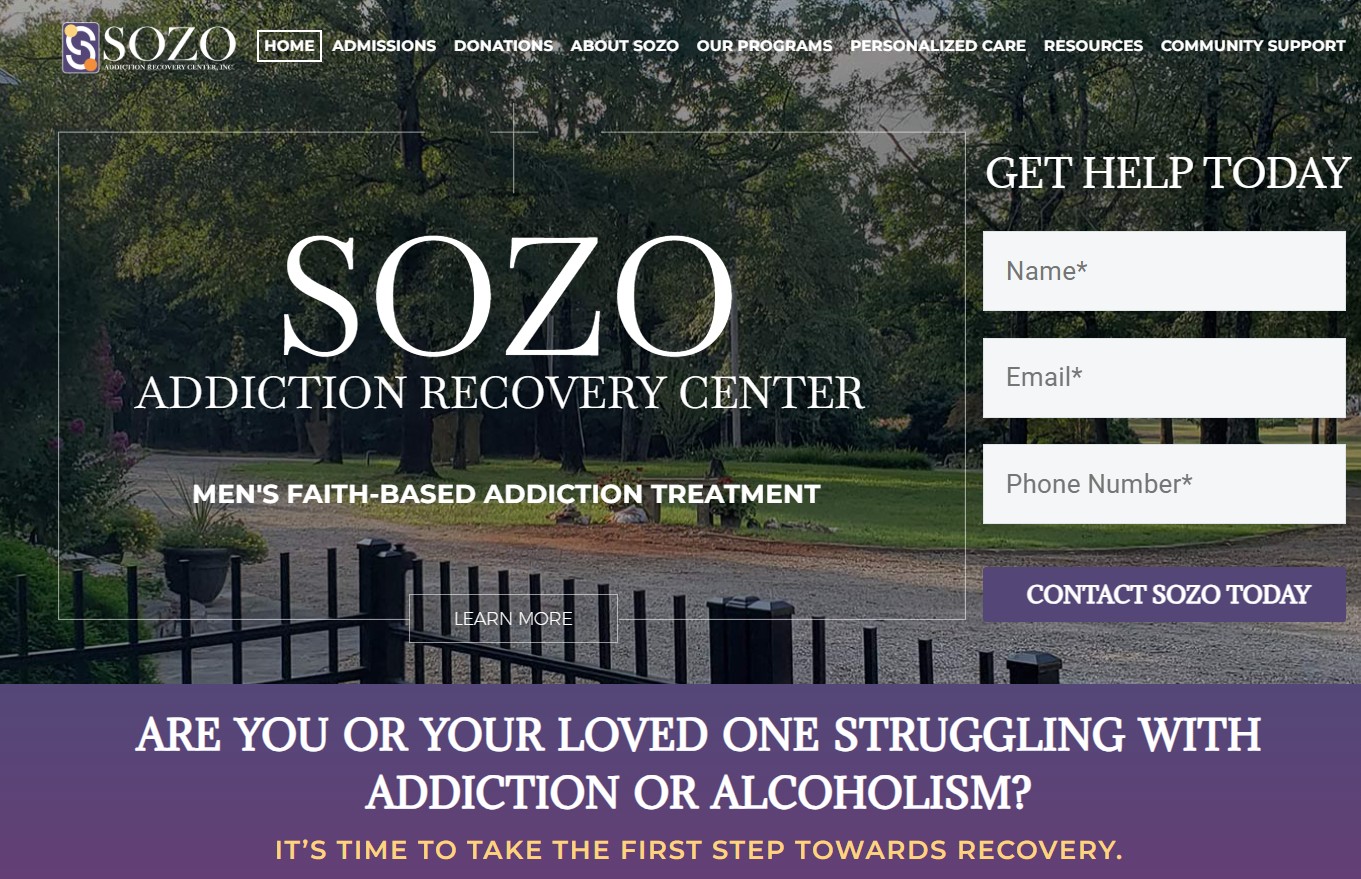
Sozorecoverycenter is a faith-based option for men who want continuing care that treats sobriety as a whole-life rebuild, not just symptom management. Located in Hot Springs, Arkansas, the center offers residential treatment for men needing a higher level of structure, along with intensive outpatient care for those balancing recovery with work or family, plus sober living and dual diagnosis support for co-occurring mental health needs.
Personalized treatment plans may follow the ASAM Continuum model, matching care intensity to where a man is in recovery rather than a one-size-fits-all program length. When evaluating any continuing-care option, ask directly what aftercare is provided after discharge, how coordination with insurance providers occurs, and how relapse warning signs are monitored once formal treatment ends. If setting up structured follow-up calls and check-ins is part of what you’re building, phone protocol templates for behavioral health services can help formalize that process. Reach out to a treatment provider’s team to ask those questions directly and find out whether their program fits where you are right now.
This article is general information, not a substitute for advice from a qualified doctor. Consult a qualified healthcare professional about your own circumstances before acting on anything here.
Sources
- Treatment and recovery (NIDA)
- Medications for alcohol and opioid use disorders (SAMHSA clinical bulletin)
- Relapse prevention and the five rules of recovery (Melemis, PMC)
- Impact of continuing care on recovery from SUD (NIAAA review)
FAQ
How long do people stay sober after rehab?
There’s no fixed timeline; sustained sobriety depends heavily on engagement with continuing care rather than time alone. People who stay connected to structured aftercare, whether outpatient therapy, sober living, or ongoing monitoring, tend to maintain sobriety far longer than those who exit treatment without a follow-up plan, and relapse rates of 40% to 60% reflect the whole population, not those actively using aftercare resources.
Is it true that getting sober is hard?
Yes, and pretending otherwise does a disservice to anyone in early recovery. Both the initial withdrawal and the months of relearning daily life without substances demand real effort, but the process gets more manageable with structured support, a relapse prevention plan, and, for many people, physician-guided medication that reduces cravings.
What are the best tips for staying sober?
Engage continuing care immediately after discharge, build a support network you actually use rather than one you just join, and learn to recognize emotional relapse warning signs before they progress to physical relapse. Following Melemis’ five rules, changing your life, being honest, asking for help, practicing self-care, and not bending your rules, gives a simple framework for daily decisions.
What happens when you get sober?
Early sobriety typically brings a mix of relief and disorientation, since the structure and routines of daily life shift dramatically once substance use stops. Sleep, mood, and energy often improve gradually over weeks to months, while cravings and emotional adjustment tend to ease as new routines, support systems, and, when appropriate, medication take hold.