LATEST NEWS & UPDATES
LATEST NEWS & UPDATES
```html
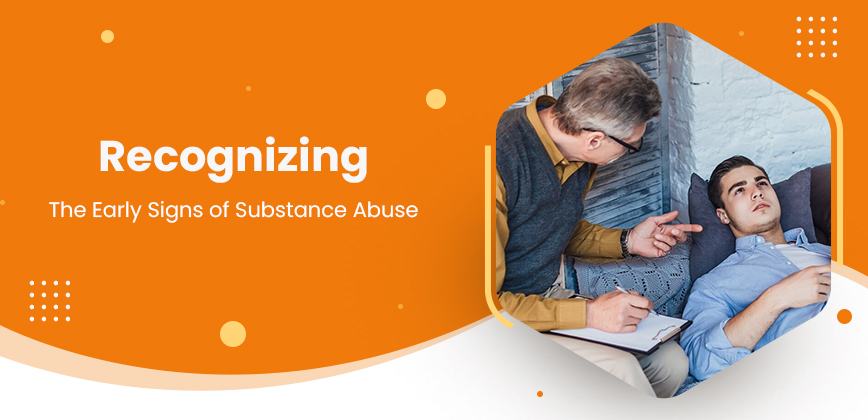
Addiction is a complex and multifaceted issue that affects millions of individuals and their families. Recognizing the signs of addiction is crucial for early intervention and effective treatment. Whether it’s alcohol, drugs, or other substances, understanding the symptoms can help individuals and their loved ones seek the necessary support and resources for recovery.
In this article, we will explore the various signs that indicate a person may be struggling with addiction. By identifying these signs early, we can encourage those in need to pursue help and embark on a path toward healing and recovery.
There are several key indicators that someone may be dealing with addiction. These can include changes in behavior, mood swings, and neglecting responsibilities. Friends and family may notice that the individual is withdrawing from social activities or experiencing a decline in their work or academic performance.
Physical signs may also be present, such as changes in appearance, weight fluctuations, or health issues related to substance use. Recognizing these signs early can be vital in encouraging the individual to seek help and begin their recovery journey.
Support from family, friends, and professionals plays a critical role in the recovery process. A strong support system can provide encouragement, accountability, and understanding, which are essential for overcoming addiction. It is important for individuals in recovery to feel that they are not alone in their journey.
Additionally, professional treatment programs can offer structured support and resources tailored to the individual's needs. These programs often include therapy, counseling, and support groups that foster a sense of community and shared experience among those in recovery.
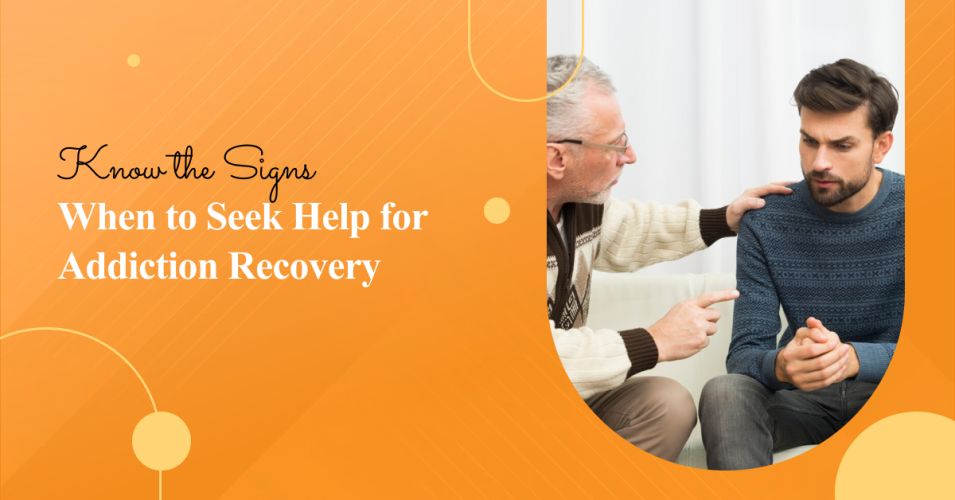
If you or someone you know is showing signs of addiction, taking the first step toward seeking help can be daunting. It is important to approach the situation with compassion and understanding. Start by having an open and honest conversation about your concerns, and encourage the individual to consider professional help.
Researching local treatment options, such as rehabilitation centers or support groups, can also be beneficial. Many organizations offer resources and guidance for those seeking help, making it easier to find the right path to recovery. Remember, reaching out for help is a sign of strength and the first step toward a healthier, addiction-free life.
```