LATEST NEWS & UPDATES
LATEST NEWS & UPDATES
```html
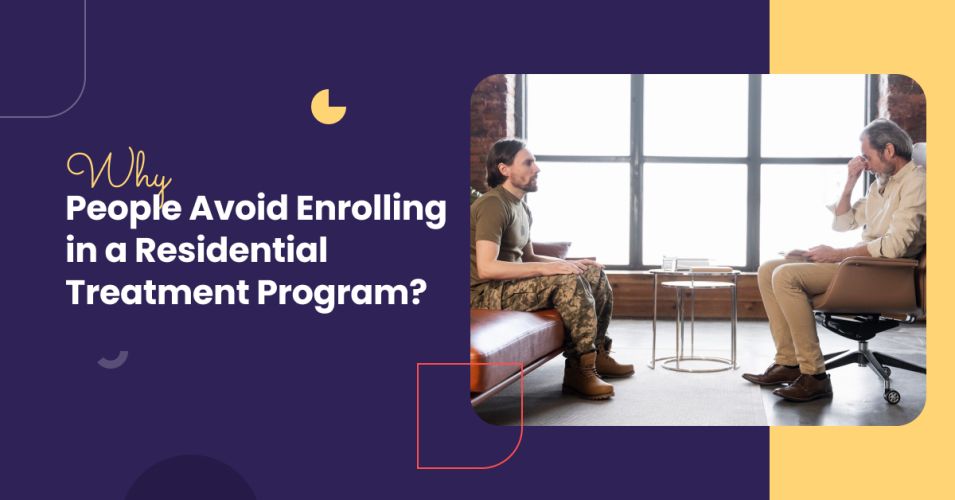
Many individuals struggling with addiction face significant barriers when it comes to enrolling in residential treatment programs. These barriers can stem from a variety of factors, including financial constraints, fear of stigma, and a lack of understanding about the treatment process. For some, the thought of leaving their familiar environment and support systems can be daunting, leading to hesitation in seeking help.
Additionally, misconceptions about addiction and treatment can further complicate the decision-making process. Many people may believe that they can overcome their addiction on their own or that treatment is not necessary. This mindset can prevent them from taking the crucial step toward recovery, ultimately prolonging their suffering and hindering their chances of achieving a healthier, sober life.
Education plays a vital role in dispelling myths surrounding addiction and treatment. By providing accurate information about the nature of addiction, the effectiveness of treatment programs, and the potential for recovery, individuals can make more informed decisions about their health. Understanding that addiction is a disease, rather than a moral failing, can help reduce the stigma associated with seeking help.
Moreover, educational initiatives can empower individuals to recognize the signs of addiction in themselves or their loved ones. This awareness can prompt earlier intervention and increase the likelihood of enrolling in a treatment program, ultimately leading to better outcomes for those affected by addiction.
Financial concerns are often a significant barrier to accessing residential treatment programs. Many individuals may feel overwhelmed by the costs associated with treatment and may not be aware of the various financial assistance options available. Insurance coverage, sliding scale fees, and scholarships can help alleviate some of the financial burdens, making treatment more accessible.
It is essential for individuals seeking help to explore all available resources and speak with treatment centers about their financial options. Many facilities are willing to work with clients to create a payment plan or find alternative funding sources, ensuring that cost does not prevent someone from receiving the care they need.
A supportive environment is crucial for individuals in recovery. Family, friends, and community members can play a significant role in encouraging someone to seek treatment and providing ongoing support throughout the recovery process. Open communication and understanding can help individuals feel less isolated and more motivated to pursue their recovery journey.
Additionally, support groups and peer networks can offer valuable resources and encouragement. Connecting with others who have experienced similar struggles can foster a sense of belonging and provide practical advice for navigating the challenges of recovery. By building a strong support system, individuals can enhance their chances of successfully enrolling in and completing a residential treatment program.
```