


What are Christian mental health facilities and how do they work?

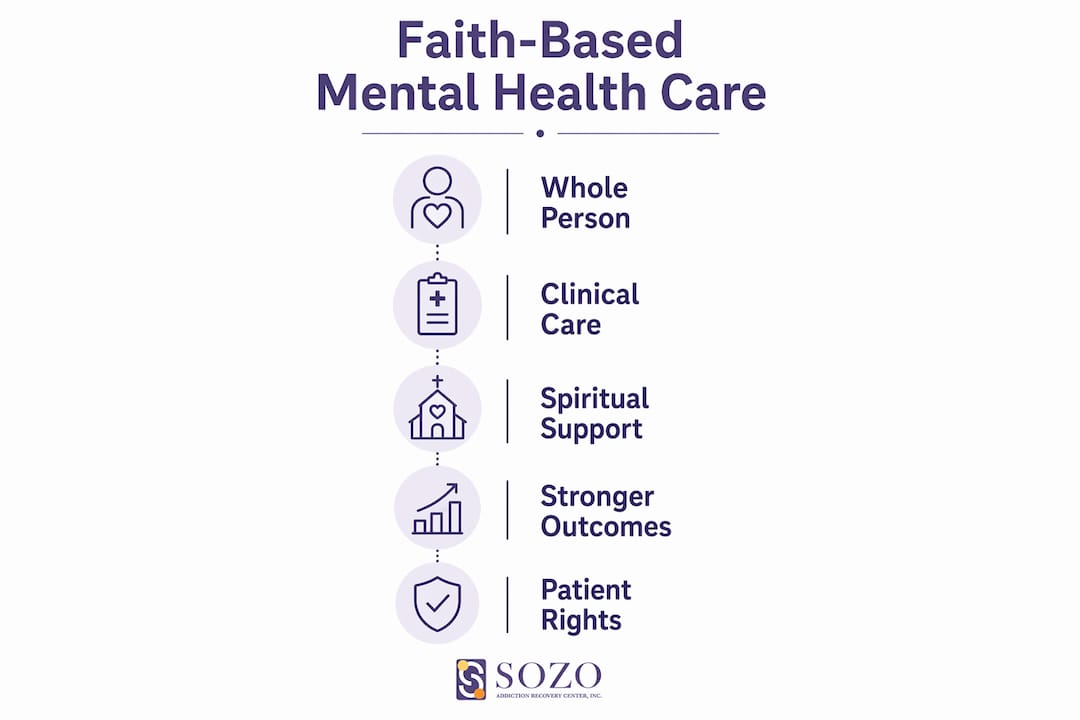
Christian mental health facilities combine clinical evidence-based care with spiritual practices to treat the whole person, addressing psychological, physiological, and spiritual needs at the same time. They are not simply churches offering counseling, nor are they standard psychiatric clinics with a Bible verse on the wall. The best ones hold full licensure and accreditation, meaning faith integration enhances rigorous medical and psychiatric treatment rather than replacing it.
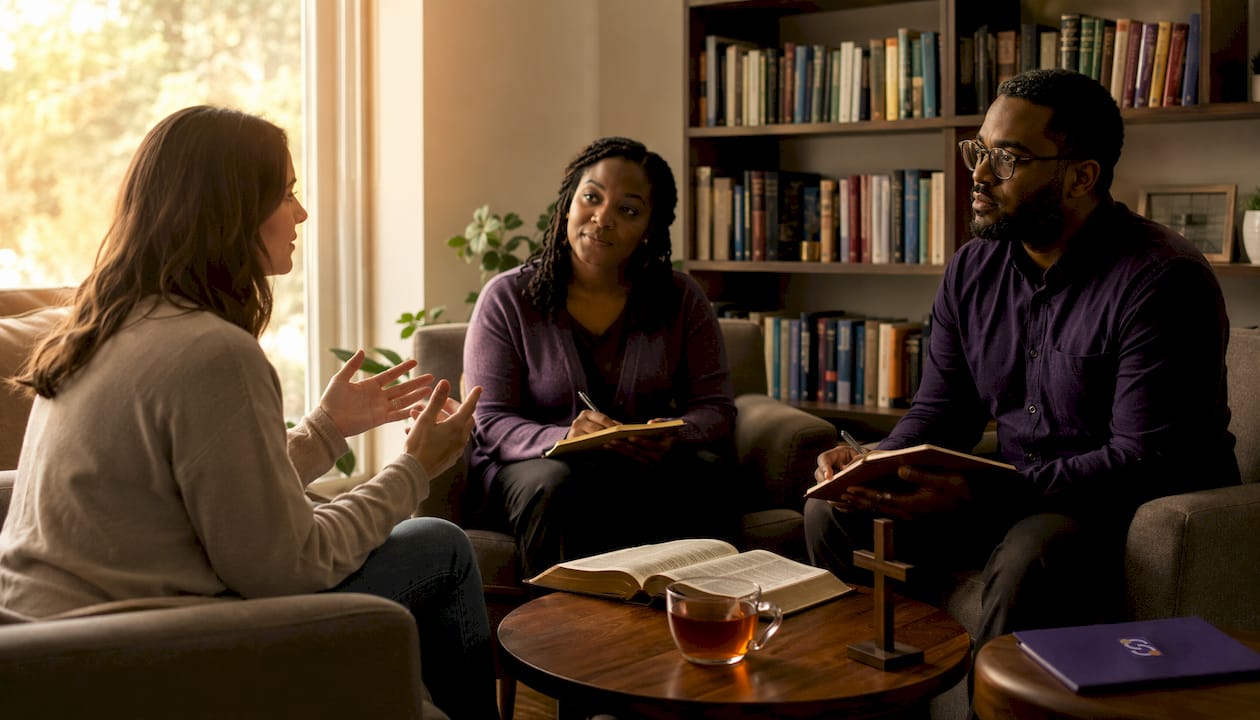
What does that look like in practice? A licensed therapist might lead a cognitive behavioral therapy session in the morning, while a pastoral counselor facilitates a Scripture-based reflection group in the afternoon. Multidisciplinary teams, including board-certified psychiatrists, licensed therapists, and spiritual directors, collaborate daily to keep clinical and theological guidance in balance.
Core services typically found in these programs include:
- Individual and group therapy using evidence-based modalities alongside biblical counseling
- Psychiatric evaluation and medication management when clinically indicated
- Prayer, worship, and Scripture study woven into the weekly schedule
- 12-step recovery groups grounded in spiritual accountability
- Dual diagnosis treatment for co-occurring mental health and addiction disorders
- Pastoral counseling and chaplaincy support
SAMHSA experts are clear that faith integration should support and enhance clinical psychiatric treatment, never substitute for it. That principle is the foundation of any reputable Christian-based mental health facility.
Table of Contents
- Why faith-based mental health care often produces stronger outcomes
- What types of programs do Christian mental health facilities offer?
- How to find and access Christian mental health facilities near you
- Sozorecoverycenter: a premier faith-based men’s addiction treatment program
- Patient rights and confidentiality in faith-based treatment centers
- Sozorecoverycenter offers men a clear path forward
- Key Takeaways
- FAQ
Why faith-based mental health care often produces stronger outcomes
Recovery is hard. A man who feels spiritually adrift alongside his clinical struggles carries a heavier load than the diagnosis alone suggests. Faith-based care addresses that weight directly.
The benefits of choosing a Christian facility go beyond preference:
- Whole-person healing: Spiritual renewal builds motivation and resilience that purely clinical settings can miss.
- Community alignment: Patients share values with peers and staff, which reduces shame and increases honest engagement in treatment.
- Sustained recovery: Faith communities provide emotional support and a sense of belonging that are critical for long-term sobriety and mental health stability.
- Integrated emotional well-being: Combining prayer, worship, and clinical therapy addresses grief, guilt, and identity in ways that medication and talk therapy alone often cannot.
- Reduced stigma: A setting that honors both faith and mental health normalizes seeking help within a Christian worldview.
The faith-based marriage counseling research community has documented similar patterns: integrating spiritual principles with clinical methods tends to deepen engagement and improve relational outcomes. The same dynamic applies in individual mental health and addiction treatment.
What types of programs do Christian mental health facilities offer?
The range of program formats is broader than many people expect. Choosing the right level of care depends on the severity of symptoms, the presence of co-occurring disorders, and practical factors like work and family obligations.
- Residential/inpatient programs: 24-hour supervised care in a structured environment, typically 30 to 90 days. Best for severe addiction or acute mental health crises. Licensed clinicians use evidence-based treatments like cognitive behavioral therapy, EMDR, and medication management alongside biblical counseling, prayer, and worship therapies.
- Partial hospitalization programs (PHP): Full-day treatment, five to six days per week, without overnight stays. Provides intensive clinical and spiritual support while allowing patients to sleep at home or in sober living.
- Intensive outpatient programs (IOP): Several hours of therapy per day, three to five days per week. A strong step-down option after residential or PHP.
- Standard outpatient: Weekly individual and group sessions. Appropriate for mild-to-moderate symptoms with a stable home environment.
- Sober living homes: Structured, faith-aligned housing that supports accountability and community during early recovery.
- Dual diagnosis programs: Specialized tracks treating addiction and co-occurring mental health disorders simultaneously, which is critical since untreated mental illness is one of the most common drivers of relapse.
- Gender-specific programs: Men-only or women-only settings that allow for more focused, honest group work around shame, trauma, and identity.
Accreditation from bodies like The Joint Commission or CARF signals that a facility meets national standards for both clinical quality and patient safety.
How to find and access Christian mental health facilities near you
Knowing where to look saves time and prevents the discouragement of dead ends. A few reliable starting points:
- Ask your pastor or church network. Many pastors maintain referral relationships with vetted Christian counseling services and residential programs.
- Use SAMHSA’s treatment locator at findtreatment.gov, filtering by faith-based options.
- Contact your insurance provider directly to request a list of in-network faith-based facilities. Insurance coverage for faith-based care varies significantly by plan; many facilities are in-network with major insurers and offer private pay or financing, with admissions teams available to verify benefits before you commit.
- Check accreditation. Confirm that any facility you consider holds licensure in its state and accreditation from a recognized body. This is non-negotiable for quality assurance.
Questions worth asking during an admissions call:
- Is faith integration optional or required?
- What licensed clinical staff are on-site daily?
- How are treatment plans individualized?
- What does aftercare look like?
For men navigating addiction treatment insurance coverage, understanding your benefits before admission reduces financial stress and keeps the focus where it belongs: on recovery.
Sozorecoverycenter: a premier faith-based men’s addiction treatment program
Sozorecoverycenter, located in Hot Springs, Arkansas, stands as a clear example of what faith-integrated clinical care looks like when it is done with both rigor and compassion. The program is designed exclusively for men, which allows for the kind of direct, honest group work that broad mixed-gender settings rarely achieve.
Treatment plans at Sozorecoverycenter are built according to the ASAM Continuum model, meaning each man’s level of care is matched to his clinical needs rather than assigned by default. Biblical principles are woven throughout, and the 12-step recovery model provides the accountability structure that carries men from detox through long-term sobriety.
“SOZO Recovery Center boasts a high success rate with personalized treatment plans and a supportive environment promoting lasting sobriety and community engagement through volunteerism and support groups.”
| Feature | Details |
|---|---|
| Population served | Men with addiction and co-occurring mental health disorders |
| Treatment model | ASAM Continuum-based personalized plans |
| Faith integration | Biblical principles + 12-step recovery model |
| Program levels | Residential, IOP, PHP, outpatient, sober living, dual diagnosis |
| Insurance accepted | BlueCross BlueShield, Ambetter, QualChoice; private pay available |
| Location | Hot Springs, Arkansas |
Licensed clinicians and pastoral counselors work side by side, ensuring that spiritual guidance never crowds out clinical care. Community engagement, including volunteer work and peer support groups, extends the recovery structure well beyond formal treatment hours.
Patient rights and confidentiality in faith-based treatment centers
A man entering any treatment program, faith-based or otherwise, retains full legal protections under federal law. HIPAA governs the confidentiality of all medical and psychiatric records, and 42 CFR Part 2 provides additional protections specifically for substance use disorder treatment records. These protections apply equally at Christian facilities.
Patients in Christian mental health facilities have the right to confidentiality and dignity, with clinical excellence and spiritual care provided in an atmosphere of respect. Faith integration does not alter those rights. No facility may share a patient’s records with a church, pastor, or family member without explicit written consent.
Patients also retain the right to informed consent before any treatment, the right to refuse specific interventions, and the right to file a grievance without fear of retaliation. Accredited facilities are required to post patient rights prominently and review them during intake. If a program cannot clearly articulate these protections, that is a meaningful warning sign.
Sozorecoverycenter offers men a clear path forward
Men who have spent years carrying addiction and mental health struggles alongside a faith that feels distant deserve more than a generic treatment program.
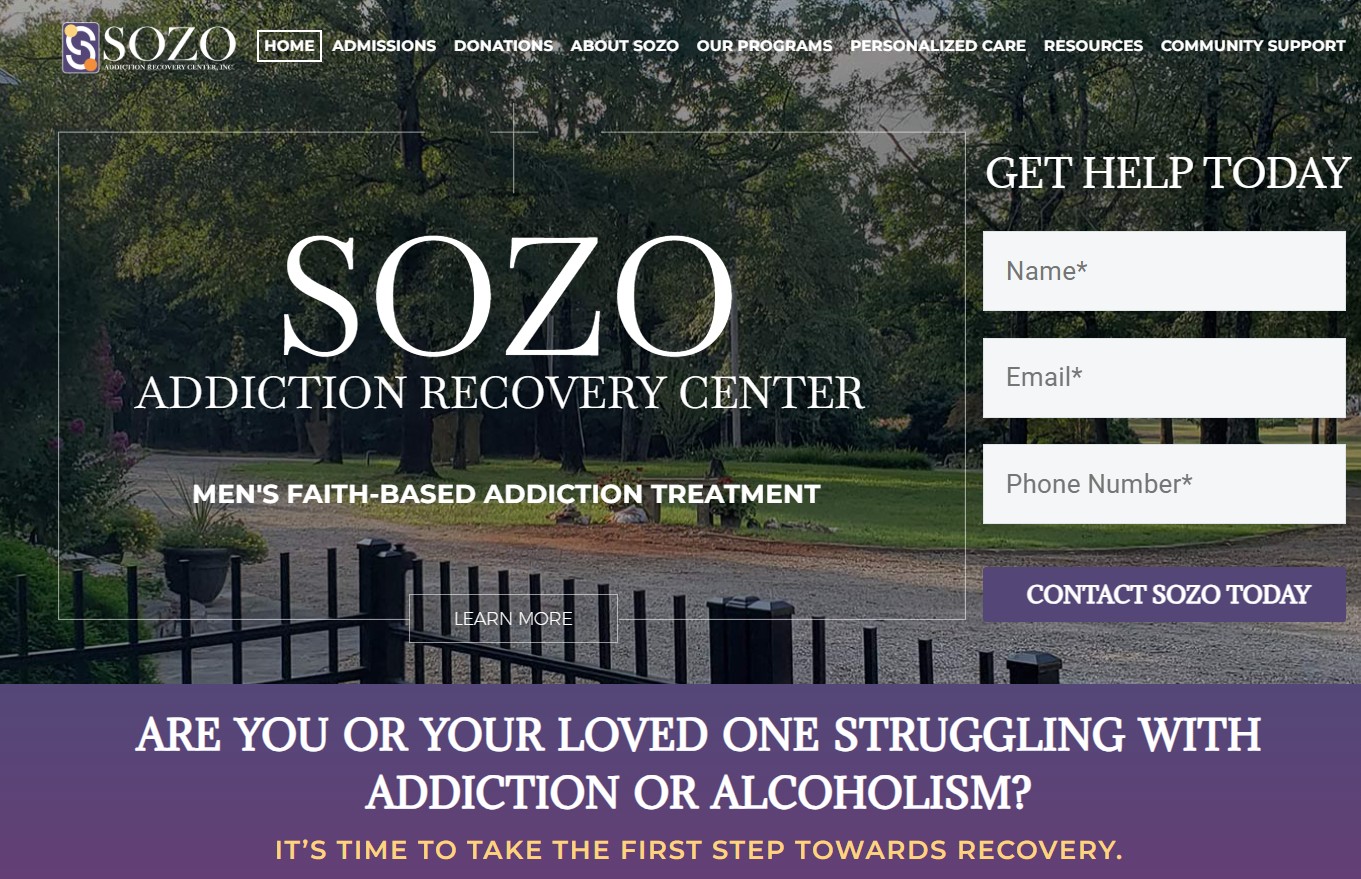
Sozorecoverycenter offers something specific: a men’s program in Hot Springs, Arkansas, where clinical care and Christian principles are built into the same treatment plan from day one. There is no choosing between getting well and keeping your faith. The faith-based rehab program addresses addiction, co-occurring mental health disorders, and spiritual renewal together, using ASAM-based personalized plans and a 12-step model grounded in Scripture. Insurance verification is handled by the admissions team, with BlueCross BlueShield, Ambetter, and QualChoice accepted. Contact Sozorecoverycenter’s admissions team to verify your coverage and take the first step toward lasting sobriety.
Key Takeaways
Christian mental health facilities deliver the strongest outcomes when licensed clinical care and faith integration are built into the same treatment plan, not offered as separate tracks.
| Point | Details |
|---|---|
| Faith enhances, never replaces, clinical care | Accredited facilities combine evidence-based therapy with spiritual support under licensed clinical oversight. |
| Program levels vary widely | Options range from residential and PHP to IOP, outpatient, and sober living, matched to individual clinical need. |
| Insurance often covers faith-based care | Many Christian facilities accept major insurers; admissions teams verify benefits before admission. |
| Patient rights are fully protected | HIPAA and 42 CFR Part 2 apply equally at faith-based centers, regardless of spiritual programming. |
| Sozorecoverycenter serves men specifically | ASAM-based personalized plans, biblical principles, and 12-step recovery are integrated in a men-only program in Hot Springs, Arkansas. |
FAQ
What makes a Christian mental health facility different from a standard one?
Christian facilities integrate biblical principles, prayer, and pastoral counseling alongside licensed clinical care, treating spiritual well-being as part of recovery rather than separate from it.
Does insurance cover treatment at Christian-based mental health facilities?
Coverage varies by plan and provider. Many faith-based facilities are in-network with major insurers and offer private pay options; admissions teams typically verify benefits before enrollment.
Are patient records kept confidential at faith-based treatment centers?
Yes. HIPAA and 42 CFR Part 2 apply to all licensed treatment centers, including Christian ones. No records may be shared with a church or family member without the patient’s written consent.
What programs does Sozorecoverycenter offer for men?
Sozorecoverycenter provides residential, intensive outpatient, partial hospitalization, outpatient, sober living, and dual diagnosis treatment, all built on ASAM Continuum criteria and integrated with Christian principles.
How do I find Christian mental health facilities near me?
Start with a pastor referral, SAMHSA’s findtreatment.gov locator filtered for faith-based options, or contact your insurance provider for in-network Christian counseling services in your area.
Recommended
- Christian Drug Rehab in Arkansas for Men | SOZO Recovery
- Drug Rehab in Arkansas: A Faith-Based Guide to the Levels of Care for Men: SOZO Addiction Recovery Center
- Faith-Based Rehab in Arkansas: Find Hope and Healing at SOZO Recovery Center
- What to Expect: Christian Addiction Treatment at SOZO Recovery