


An addiction trigger is any cue, person, place, feeling or situation that a man has linked with past substance use and that can stir up an urge to use again. Triggers are a normal part of recovery, not a sign that something is wrong with a man’s effort. They become dangerous when they go unnoticed. This guide explains the main kinds of triggers, the early warning signs that often come before a lapse, and the steps that help a man respond well, with clinical care and faith both in view.
TL;DR
- Triggers are cues tied to past use. They can be external (people, places, things, times) or internal (stress, anger, loneliness, boredom, even happiness).
- Research from the VA shows that relapse often begins well before a first lapse, with a return to old patterns of thinking and behavior.
- Common early warning signs include isolating, skipping appointments, minimizing past consequences and drifting back toward old people and places.
- A written plan, a support person you can call and honest routines (sleep, meals, prayer, exercise) take the edge off triggers.
- If triggers keep winning, a higher level of care, including treatment for co-occurring mental health conditions, can help.
Table of Contents
- What Is an Addiction Trigger?
- External Triggers: People, Places, Things and Times
- Internal Triggers: What Happens Inside
- HALT: Four Triggers Worth Checking Every Day
- A Trigger Is Not a Relapse: Lapse, Relapse and the Process Before
- How to Find Your Own Triggers
- What Helps When a Trigger Hits
- Our Perspective: Why We Treat the Whole Man
- When Triggers Keep Winning: Levels of Care
- Supporting a Man You Love
- Ready to Talk Through Next Steps?
- FAQ
- Sources
What Is an Addiction Trigger?
The Department of Veterans Affairs describes triggers as cues associated with past substance use or problematic behavior. They are common risk factors for relapse because they can activate an urge or craving, and that craving can lead to use if it is not addressed.
The National Institute on Drug Abuse adds that stress cues tied to drug use (people, places, things and moods), along with contact with the drug itself, are among the most common triggers for relapse. Researchers have been developing therapies that interfere with those triggers to help patients stay in recovery.
Three points are worth holding onto:
- A trigger is not a decision. It is a prompt. The craving that follows can be noticed, named and ridden out.
- Triggers are personal. The VA notes they are often unique to the individual. A smell, a song or a street corner may mean nothing to one man and everything to another.
- Triggers fade with attention and practice. Recovery is not about never meeting a trigger. It is about meeting it with a plan.
External Triggers: People, Places, Things and Times
External triggers come from outside a man. They are usually the easiest to spot, because he can point at them. The United Nations Office on Drugs and Crime groups them in its cognitive behavioral therapy materials this way:
| Category | Examples |
|---|---|
| People | Dealers, friends who use |
| Places | Bars, parties, the house where a person used |
| Things | Drugs, paraphernalia, money, alcohol |
| Time periods | Paydays, holidays, idle time, after work, periods of stress |
The VA gives similar examples: walking past a favorite bar or casino, or running into a former dealer.
For many men, the list gets specific fast. The route home that passes the liquor store. The tailgate where everyone drinks. The Friday paycheck. The truck cab where he used to use alone. The quiet hour after the kids are in bed.
Time-based triggers are easy to miss. A man may be steady Monday through Thursday and then feel the pull every Friday afternoon, because that is when he used to start. Writing down when cravings show up, not only where, often reveals a pattern he had not seen.
Internal Triggers: What Happens Inside
Internal triggers are thoughts, feelings and physical states. They are harder to avoid because a man carries them everywhere. The UNODC materials list anxiety, anger, frustration, sexual arousal, excitement, boredom, fatigue and happiness. That last one surprises many men. Celebration can be a trigger as much as grief can.
The VA offers a plain example: anxiety that a man once self-medicated with drugs. When that anxiety returns, so can the old solution.
Many men were taught to push feelings down and keep going. In early recovery, that habit can backfire. A feeling that is ignored does not leave. It waits. Learning to say “I am angry” or “I am ashamed” or “I am worn out” is not softness. It is the skill that lets a man choose his next move instead of reacting.
Stress, Pressure and Life Events
The VA’s Action Planning guide lists common triggers that go beyond the obvious: anniversary dates of losses or trauma, frightening news events, feeling overwhelmed, family friction, the end of a relationship, spending too much time alone, being judged or criticized, financial problems, physical illness, being yelled at, and certain smells, tastes or noises.
That list reads like ordinary life, and that is the point. Triggers are rarely dramatic. They are Tuesday. A job review, a hard phone call with an ex, a bill that arrives late, a funeral. If a man is grieving, the anniversary of a loss can reopen old wounds. Our guide on staying sober through grief walks through that in more depth.
Mental Health and Triggers
Untreated depression, anxiety or trauma symptoms can act as constant background triggers. When a man is using substances to quiet a mental health condition, removing the substance without treating the condition leaves the original pain in place. That is one reason integrated care matters. Our dual diagnosis program treats substance use and mental health together, rather than asking a man to pick which struggle to address first.
HALT: Four Triggers Worth Checking Every Day
In recovery circles, HALT is a simple check-in. It stands for hungry, angry, lonely and tired. According to the Addiction Policy Forum, these four states are common triggers that can lead to poor decisions, and pausing to name which one applies makes it easier to recognize a trigger instead of acting on it.
Its strength is that it is practical:
- Hungry: skipped meals and low blood sugar make irritability and cravings feel sharper. Eat something real.
- Angry: resentment is a classic trigger. Talk to a sponsor, a pastor or a counselor before it hardens.
- Lonely: isolation is one of the most common doors back to use. Call someone. Go to a meeting.
- Tired: poor sleep wears down judgment. Rest is part of the plan, not a reward for finishing it.
What HALT leaves out is just as important. It does not name stress, grief, shame, boredom, financial pressure or untreated mental health symptoms. It also says nothing about spiritual emptiness, the sense of being disconnected from purpose or from God, which many men describe as the deepest trigger of all. Think of HALT as a quick first question, then keep asking: what else is going on?
A Trigger Is Not a Relapse: Lapse, Relapse and the Process Before
The VA defines a lapse as the first use of a substance after a period of recovery, and a relapse as continued use after that first lapse. It also notes that the relapse process often begins long before the lapse, starting with a return to old patterns of thinking and behavior.
That distinction gives a man something to work with. A trigger shows up in a moment. Warning signs build over days or weeks. If a man catches the signs early, he has time to act. For a closer look at how a lapse differs from a full relapse, this overview of the warning signs of addiction relapse is a helpful companion.
Early Warning Signs of Relapse in Men
The VA’s Reducing Relapse Risk guide lists these common early signs:
- Thinking about future use
- Minimizing the consequences of past use
- Fantasizing about past use
- Reconnecting with people and places linked to substance use
- Focusing on the negative
- Not reaching out for support
- An increase in behaviors common when using
- Returning cravings
The Action Planning guide adds quieter, internal changes: anxiety, nervousness, forgetfulness, an inability to experience pleasure, lack of motivation, feeling slowed down or speeded up, isolating, irritability, negativity, missing appointments, changes in appetite and restlessness.
Men often show these signs in ways that are easy to excuse. He stops answering texts and calls it being busy. He skips a meeting because work ran late. He gets short with his wife and blames the job. He starts saying he had it under control before, so maybe he can handle a drink. Each sign alone can look harmless. Together they form a pattern, and the people closest to him often see it first.
If you want a fuller walkthrough, see our guide to relapse warning signs and our look at spiritual relapse, which often comes before the physical kind.
How to Find Your Own Triggers
The VA recommends exploring personal risk factors during treatment to build self-awareness, and it suggests identifying early warning signs by reflecting on past experiences and asking friends, family or other supporters what they have noticed.
Here is a simple way to start:
- Look back. Think about your last few times of using, or your last close call. What happened in the hours and days before? Who was there? How did you feel?
- Sort what you find. Put each item under people, places, things, times, feelings or events.
- Rate each one. Mark how strong the pull is: mild, strong or very strong. The strongest ones need the most thought.
- Ask someone who knows you. A sponsor, spouse, pastor or counselor can name things you cannot see.
- Keep the list alive. Triggers change. A new job, a move or a loss can add new ones.
This list is a living document, not a verdict. It is also the raw material for a relapse prevention plan.
What Helps When a Trigger Hits
The VA’s Action Planning guide recommends deciding ahead of time what you will do when a trigger appears. Its examples include calling a support person, doing a half-hour relaxation exercise, writing in a journal for at least half an hour, riding a stationary bicycle for 45 minutes, praying, doing a fun activity for an hour and working through a daily maintenance list.
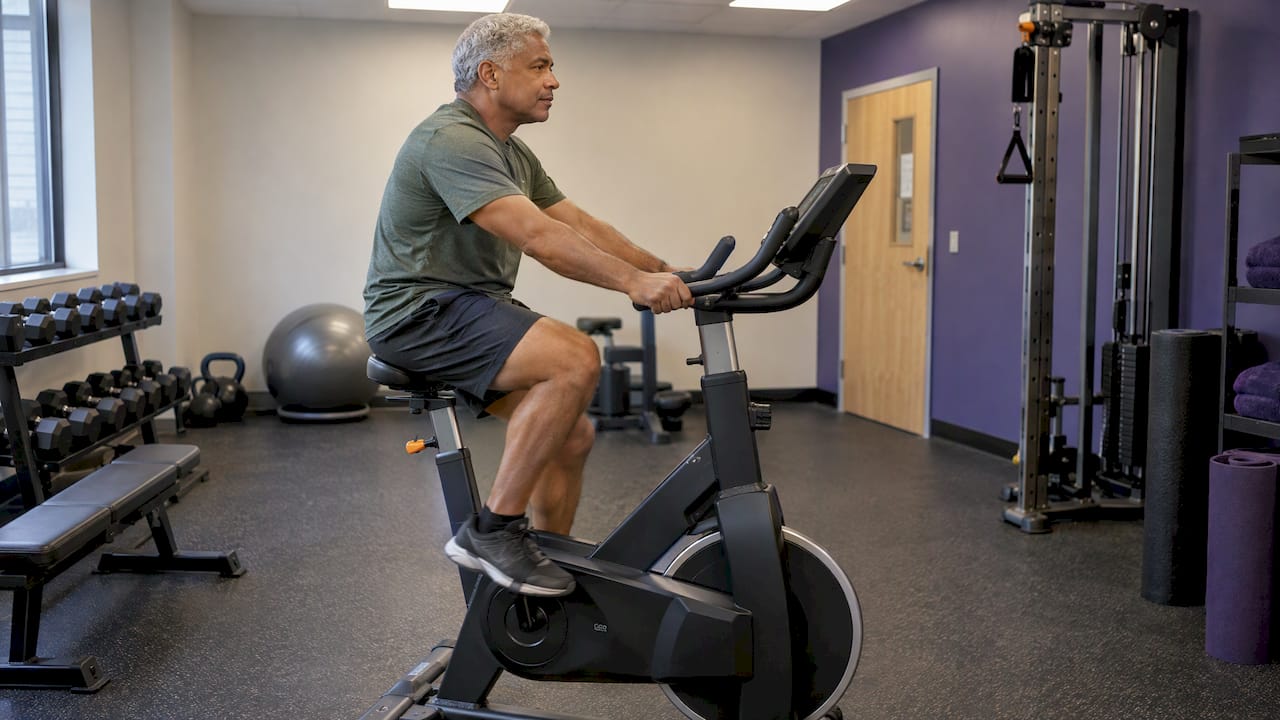
Some of the strongest habits are the least dramatic.
Build the Plan Before You Need It
A craving at its peak is a bad time to make decisions. Write the plan when you are calm. Put the phone numbers of two or three people in your phone. Decide in advance which meeting you will go to and how you will get there. Keep the plan short enough to use under pressure.
When a craving does hit, our guide to coping with cravings offers a short, practical routine for the moment itself.
Change the Environment
Some external triggers can simply be removed. Clear the house of alcohol and paraphernalia. Delete numbers. Take a different route. Not every trigger can be avoided (you cannot skip every holiday or payday), but the early months are a good time to protect yourself where you can. Some men find that a structured sober living setting makes this easier, because the environment has already been cleared of the most common cues.
Lean on People
Isolation feeds nearly every trigger. Regular contact with a sponsor, a church family, a counselor and other men in recovery gives a man witnesses to his progress and a place to say what is true. Our article on how support systems help sobriety last explains why this matters so much.
Look After the Basics
Sleep, meals, movement and a steady daily rhythm do more than they get credit for. They lower the baseline of stress that makes every trigger harder to manage. This is HALT turned into a routine.
Bring Faith Into the Plan
For many men, prayer, scripture and fellowship are not extras. They answer the loneliness and shame that sit under many triggers. The VA’s own list of coping steps includes praying. In the 12 steps, humility and service give a man somewhere to put restless energy: helping another man, serving at church, showing up for someone else. The steps were never the destination. They were the training.
Our Perspective: Why We Treat the Whole Man
At SOZO Recovery Center, we see triggers as information. They tell a man where he is still tender, still tired or still carrying something he was not meant to carry alone.
That is why our program is built to treat the whole person. We combine clinical care with spiritual guidance, using Christian principles alongside the 12-step model. Treatment plans are personalized and informed by the ASAM Continuum, so the level of care fits the man, not the other way around. When a man also lives with depression, anxiety or trauma, we address those conditions together with his substance use through our dual diagnosis care.
We also believe environment matters. Our setting in Hot Springs, Arkansas is small and peaceful, a retreat-like place where a man can step away from daily noise, learn what sets him off and practice new responses with other men beside him.
We do not promise a trigger-free life. We offer a place to learn how to meet triggers with a plan, with accountability and with faith.
Ty
When Triggers Keep Winning: Levels of Care
Some men manage triggers well with a plan, a sponsor and weekly meetings. Others find that the pull is stronger than what daily life can support. That is not a verdict on character. It means the level of care may need to change.
Needing more help is a good reason to ask for it. Signs that a higher level of support may be right include:
- Cravings that are frequent or hard to ride out
- Several warning signs showing up together
- A lapse, even a brief one
- Mental health symptoms that make every day harder
- A home or work environment full of triggers that cannot be changed
- A medical need for detox before treatment can begin
A short overview of the options we offer:
| Level of care | Who it often fits |
|---|---|
| Medical detox placement | Men who need medical supervision to stop safely before starting treatment |
| Residential treatment | Men who need distance from daily triggers and full-time support |
| Partial hospitalization | Men who need daily structured treatment but can live elsewhere |
| Intensive outpatient | Men who need several sessions a week while working or caring for family |
| Outpatient | Men who are steady and want ongoing support |
| Sober living | Men who want a recovery-focused home while rebuilding routines |
Which of these fits is a clinical decision, made through assessment. Our team uses ASAM criteria to match a man with the right level, and that can shift over time as he grows stronger.
Supporting a Man You Love
Families often see warning signs before he does. Withdrawal from family, new secrecy, a sharper temper, missed appointments, and a growing friendship with old using buddies are all worth noticing.
A few ways to help:
- Speak calmly and specifically about what you have seen, without accusing.
- Ask what support he wants instead of telling him what to do.
- Encourage him to contact his sponsor, counselor or treatment team.
- Learn the patterns of his triggers so you can avoid stocking or hosting them at home.
- Look after yourself. Family members need support too.
If you are unsure whether what you are seeing is substance use, our guide to identifying substance use can help you sort through it.
Ready to Talk Through Next Steps?
If triggers are wearing down a man you love, or you are that man, a conversation with our admissions team is a good place to start. We offer faith-based, clinically informed care for men in Hot Springs, Arkansas, from residential treatment to outpatient support.
Learn more about our residential treatment program, or visit the SOZO Recovery Center homepage to reach our team and ask about the right level of care. If you have finished a program, our plan for staying sober after rehab can help you build the next stretch.
FAQ
What are the most common addiction triggers?
Stress cues tied to past use, such as people, places, things and moods, are among the most common triggers for relapse, according to NIDA. Loneliness, anger, tiredness, hunger, family conflict, financial pressure and idle time also come up often. Your own list may look different, which is why identifying personal triggers matters.
What is the difference between a trigger and a warning sign?
A trigger is a cue that sparks an urge or craving in the moment. A warning sign is part of a slower shift in thinking, feeling and behavior that can begin long before a lapse, such as isolating, skipping meetings or romanticizing past use. Triggers show up and pass. Warning signs build, which is why catching them early gives a man time to act.
Can a trigger be positive, like a celebration?
Yes. The UNODC lists happiness and excitement among internal triggers, and holidays and paydays among time-based ones. Good news and celebrations can bring the same old associations as bad news does. Planning ahead for these moments, with a sober friend or a ready exit, protects a man when his guard is down.
Does having a craving mean I am relapsing?
No. A craving is a signal, not a lapse. Relapse, as the VA defines it, involves actual use. A craving does mean it is time to use your plan: call your support person, change your setting and pray or reflect. If cravings are frequent or intense, talk with a counselor or treatment team about whether more support would help.
When should a man consider treatment instead of managing triggers alone?
Consider professional help if cravings feel unmanageable, if several warning signs appear together, if you have had a lapse, or if mental health symptoms are making sobriety harder. An assessment can recommend the right level of care, from outpatient sessions to residential treatment. Asking for help early is a strong step, not a retreat.
Sources
- Reducing Relapse Risk, U.S. Department of Veterans Affairs
- Treatment and Recovery, National Institute on Drug Abuse
- Action Planning for Prevention and Recovery, U.S. Department of Veterans Affairs
- Leader’s Guide: Cognitive Behavioural Therapy and Relapse, UNODC
- HALT: Focus on These Four Triggers in Your Recovery, Addiction Policy Forum
- Warning Signs of Addiction Relapse