```html
Mental health is a crucial aspect of overall well-being that affects how we think, feel, and act. It encompasses our emotional, psychological, and social well-being, influencing our daily lives, relationships, and decision-making processes. Recognizing the importance of mental health is essential, as it plays a significant role in how we cope with stress, relate to others, and make choices. Just as we prioritize physical health, mental health deserves equal attention and care.
In recent years, there has been a growing awareness of mental health issues, leading to increased discussions and resources available for those in need. Understanding mental health can help reduce stigma and encourage individuals to seek help when necessary. By fostering an environment that promotes mental well-being, we can create a supportive community that empowers individuals to thrive and lead fulfilling lives.
Recognizing the signs that you may need help with your mental health is the first step toward recovery. Common indicators include persistent feelings of sadness or anxiety, withdrawal from social activities, changes in appetite or sleep patterns, and difficulty concentrating. If you find yourself experiencing these symptoms consistently, it may be time to reach out for support from a mental health professional.
Additionally, if you notice that your daily functioning is being impacted—whether at work, school, or in personal relationships—it’s crucial to take these signs seriously. Seeking help is a sign of strength, and there are various resources available, including counseling, support groups, and treatment programs, to assist you on your journey to better mental health.
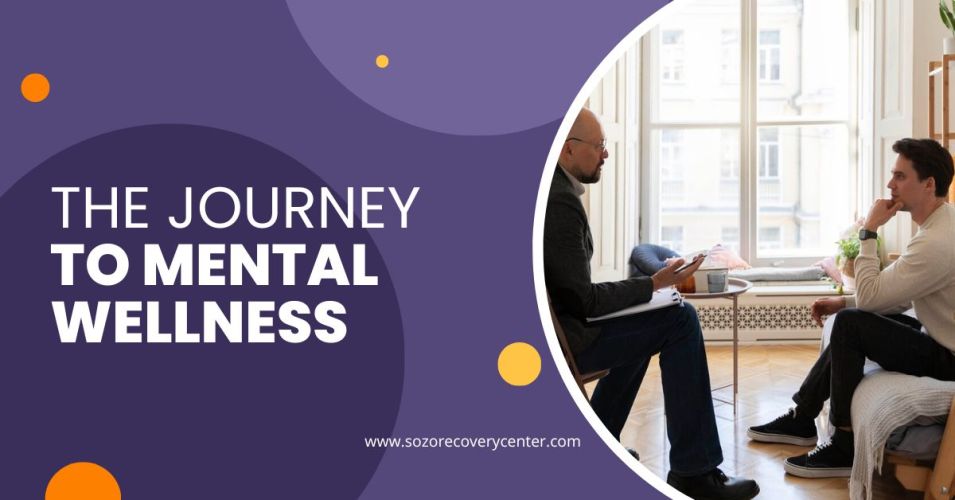
Counseling plays a vital role in mental health recovery by providing individuals with a safe space to explore their thoughts and feelings. Through therapeutic conversations, clients can gain insights into their behaviors and emotions, helping them to understand the root causes of their struggles. This process can lead to increased self-awareness and the development of coping strategies to manage life's challenges more effectively.
Moreover, counseling can foster a sense of connection and support, which is essential for healing. By working with a trained professional, individuals can learn to navigate their mental health issues, build resilience, and ultimately achieve a greater sense of well-being. Whether through individual therapy, group sessions, or family counseling, the transformative effects of counseling can significantly enhance one's mental health journey.
```